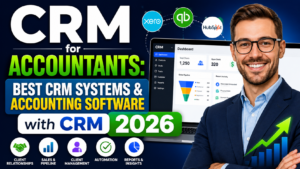
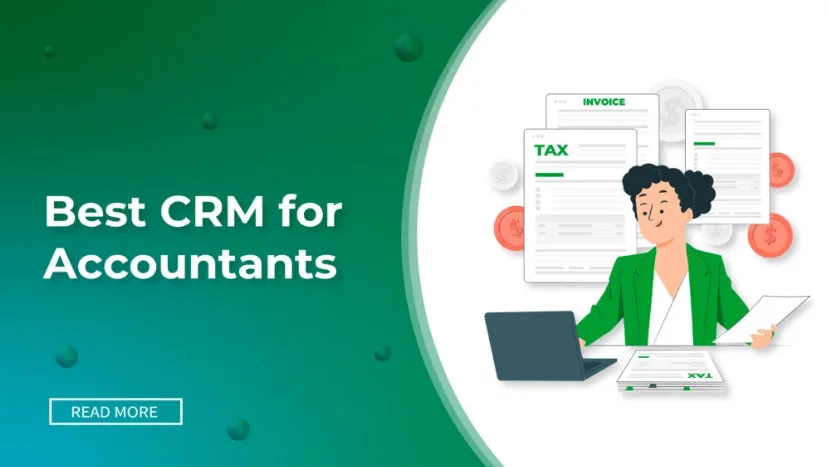
CRM and accounting software integration gives businesses a unified view of customer value, payment history, outstanding invoices, and revenue attribution—eliminating data silos and manual reconciliation.
Best CRM and Accounting Software Combinations
HubSpot CRM + QuickBooks: One of the most popular combinations for SMBs. Syncs contacts, invoices, and payment status. Create QuickBooks invoices from HubSpot deals with one click.
Zoho CRM + Zoho Books: Most seamlessly integrated combination—both from Zoho sharing a unified platform. Customer records, invoices, quotes, and payment data flow automatically. Excellent value at ~$20–$35/user/month combined.
Salesforce + Xero/QuickBooks: Enterprise CRM connected to popular accounting platforms through AppExchange connectors for bidirectional data sync.
Odoo: Open-source ERP with native CRM and accounting modules—single platform for all operations.
Key Data Points to Sync Between CRM and Accounting
- Customer/contact records (bidirectional, single source of truth)
- Quotes and proposals (CRM) → Invoices (accounting)
- Invoice status and payment history visible in CRM
- Revenue by customer, product, and sales rep in both systems
FAQ
What is the best CRM with accounting integration?
Zoho CRM + Zoho Books offers the most seamless native integration for SMBs. HubSpot + QuickBooks is the most popular combination. Salesforce with Xero or QuickBooks connectors leads for enterprise. Odoo provides the most comprehensive all-in-one alternative.
Can CRM replace accounting software?
No—CRM manages customer relationships while accounting softwares handles financial transactions, tax compliance, and statutory reporting. Integration between the two is the recommended approach, not replacement.
Conclusion
Connecting your CRM and accounting software eliminates data silos and gives sales, finance, and leadership teams the unified business intelligence they need to make better decisions.