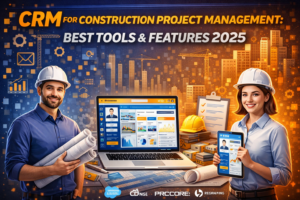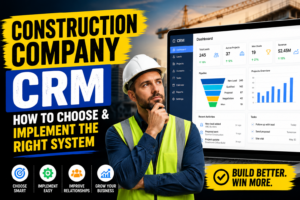
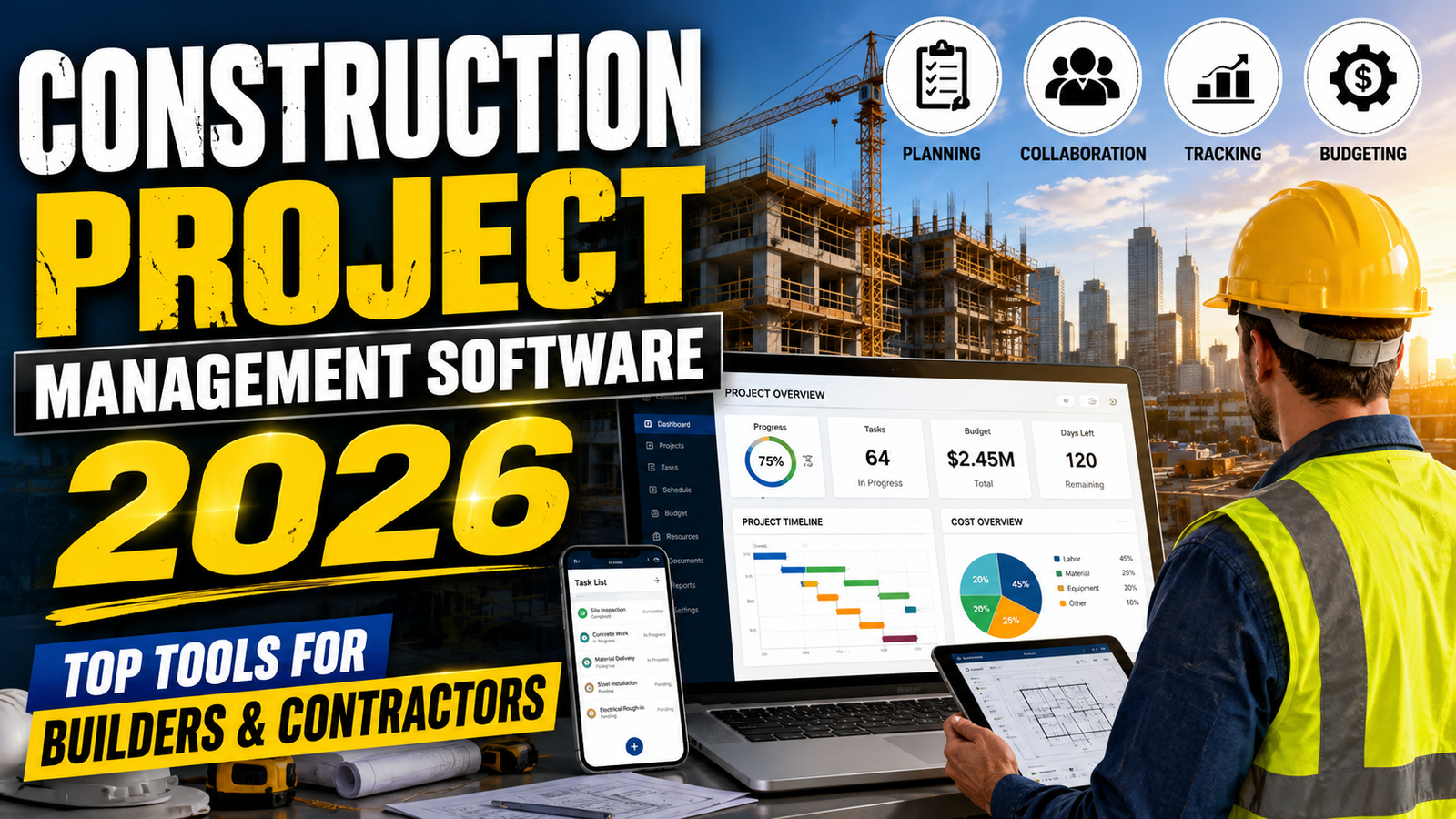
Construction project management software 2026 has become indispensable for construction companies, general contractors, specialty subcontractors, and project owners who need to coordinate complex projects involving dozens of teams, thousands of tasks, tight budgets, and immovable deadlines. The construction industry — historically one of the slowest to adopt technology — has undergone a digital transformation acceleration in 2026, with software playing a central role.
Managing a construction project with spreadsheets, WhatsApp groups, and paper documents in 2026 is not just inefficient — it is actively costing you money through miscommunication delays, rework, budget overruns, and missed opportunities. Modern construction project management software eliminates these costs.
Why Construction Companies Need Project Management Software
Construction projects involve extraordinary complexity: multiple trades working in sequence, material deliveries that must arrive at precisely the right time, weather-related schedule disruptions, regulatory inspections,
safety compliance requirements, and clients who want real-time visibility into progress. Managing all of this effectively requires purpose-built software, not generic tools.
Top Construction Project Management Software in 2026
1. Procore — Best Enterprise Construction Platform Procore is the market leader for large general contractors and construction firms. Its comprehensive platform covers project management, financial management, quality and safety,
and field productivity — all connected in a single platform with powerful mobile apps for on-site use.
Procore’s open API enables integration with hundreds of construction technology solutions — ERP systems, accounting software, BIM platforms, and scheduling tools — making it the hub of a complete construction technology ecosystem.
2. Buildertrend — Best for Home Builders & Remodelers Buildertrend is purpose-built for residential home builders, remodelers, and specialty contractors. Its CRM features for managing homeowner relationships, combined with scheduling, budgeting, and photo documentation tools,
make it the most popular platform for residential construction businesses.
3. PlanGrid (Autodesk Construction Cloud) PlanGrid — now part of Autodesk Construction Cloud — excels at digital drawing management and field collaboration. Field teams can access current drawings and specifications on tablets and mobile phones, mark up issues,
and link them to specific drawing locations — creating a precise digital record of field conditions.
4. CoConstruct — Best for Custom Home Builders CoConstruct is specifically designed for custom home builders and remodelers who manage complex, client-intensive projects. Its client communication portal, selection management,
and change order tracking make it exceptional for businesses where the client relationship is central to the product.
5. Fieldwire — Best for Field Teams Fieldwire focuses on field team productivity — providing simple, reliable tools for task management, daily reports, punch lists,
and inspection management that field workers can use effectively even with limited technology experience.
Key Features of Construction Project Management Software
- Gantt Chart Scheduling — Visual project timelines with dependencies and critical path analysis
- Budget Tracking — Real-time cost tracking against approved budgets with variance alerts
- RFI Management — Streamlined Requests for Information workflow between contractors and designers
- Submittal Management — Track materials and equipment submittals through review and approval cycles
- Daily Field Reports — Digital daily logs capturing weather, crew count, work performed, and issues
- Photo Documentation — Timestamped, geotagged site photos linked to project locations and tasks
- Punch List Management — Systematic tracking of defects and outstanding items at project completion
- Subcontractor Management — Contract management, compliance tracking, and payment processing for subs
AI in Construction Project Management 2026
Artificial intelligence is beginning to make meaningful contributions to construction project management — through automated schedule risk analysis (identifying potential delays before they occur), computer vision for site safety monitoring (detecting PPE violations and unsafe conditions from site cameras),
predictive cost modeling (forecasting likely final project costs based on current spending trajectories),
and natural language RFI responses (AI-generated initial responses to common RFIs for engineer review).
Conclusion
Construction project management software 2026 delivers ROI that is rapidly measurable — in reduced rework costs, faster project delivery, improved subcontractor coordination, and better client satisfaction. Whatever the size of your construction business,
there is a purpose-built software solution that will transform how you plan, execute, and deliver projects. The investment pays for itself within months on a single well-managed project.