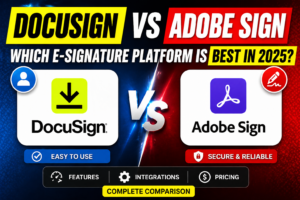
This comprehensive technical guide covers adobe signature vs docusign in depth, providing the knowledge needed to make informed decisions about technology selection, implementation, and optimisation. Whether you are evaluating platforms, planning an implementation, or seeking to understand the technical landscape, this guide delivers actionable insights based on real-world experience.
Introduction to Adobe Signature Vs Docusign
Adobe Signature Vs Docusign represents a significant category within enterprise and SMB technology — one that directly impacts operational efficiency, cost structure, and competitive positioning. Understanding the technical dimensions of adobe signature vs docusign enables better decision-making and more successful implementation outcomes.
Core Capabilities and Technical Architecture
Modern adobe signature vs docusign solutions are built on cloud-native architectures that deliver scalability, reliability, and integration flexibility. Key technical characteristics include RESTful APIs for integration, role-based access control, real-time data processing, and comprehensive audit logging. The best platforms provide both out-of-the-box functionality for common use cases and extensibility for unique requirements.
Key Features and Modules
- Core workflow management with configurable business logic
- Integration framework with pre-built connectors and open API
- Analytics and reporting with customisable dashboards
- Mobile access via iOS and Android applications
- Document management with version control and e-signature
- Automation engine for recurring processes and notifications
- Role-based security with granular permission controls
- Multi-currency and multi-language support for global operations
Platform Comparison
| Category | Leading Platforms | Key Differentiator | Typical Price Range |
|---|---|---|---|
| Enterprise | SAP, Oracle, Microsoft | Scale and integration breadth | $1,000+/user/year |
| Mid-market | NetSuite, Sage, Epicor | Balance of features & cost | $100-500/user/month |
| SMB SaaS | Various vertical-specific | Ease of use | $20-150/user/month |
| Custom built | Any tech stack | 100% business fit | Project-based |
Implementation Methodology
Successful implementation of complex software systems requires a structured methodology. Discovery and requirements analysis (2-4 weeks), solution architecture and design (2-4 weeks), development or configuration (8-16 weeks), integration and testing (2-4 weeks), training and change management (2-4 weeks), and go-live support (2-4 weeks) define a typical enterprise implementation timeline.
Integration Architecture
The value of any enterprise software platform multiplies through integration with adjacent systems. Core integration requirements typically include ERP/accounting systems, CRM platforms, communication tools (email, SMS, VoIP), document management, and business intelligence platforms. Modern integration approaches leverage REST APIs, event-driven webhooks, and iPaaS platforms (MuleSoft, Boomi, Zapier) for maintainable, scalable integration architecture.
Security and Compliance Framework
Enterprise software systems must meet rigorous security and compliance standards. Key requirements include SOC 2 Type II certification, ISO 27001 compliance, end-to-end encryption, multi-factor authentication, comprehensive audit logging, GDPR/data privacy compliance, and regular penetration testing. Always review vendor security documentation and conduct due diligence before committing sensitive business data.
Why Choose Custom Development with VBWebSol
VBWebSol specialises in custom software development for businesses that need platforms tailored exactly to their requirements. Our development team has delivered CRM, ERP, field service, e-commerce, and AI-powered solutions for clients across India, the USA, the UK, and Australia. Custom development delivers better business fit, integration with your existing systems, and lower per-user costs at scale.
Frequently Asked Questions
What is adobe signature vs docusign?
Adobe Signature Vs Docusign is a category of business software designed to manage specific operational workflows, data, and customer/business relationships. The right solution depends on your business size, industry, and specific process requirements.
Should I choose a commercial platform or custom development?
Commercial SaaS platforms suit most SMBs with standard workflows. Custom development is better for businesses with unique processes, significant scale (where per-user SaaS costs become prohibitive), or a need for competitive advantage through proprietary technology.
How much does implementation cost?
SaaS implementations range from minimal (self-serve tools) to $50,000+ for enterprise platforms requiring significant configuration. Custom development typically costs $20,000-$150,000 depending on scope, with lower ongoing costs than SaaS alternatives.
How long does implementation take?
Simple SaaS deployments: 1-4 weeks. Complex enterprise implementations: 3-12 months. Custom builds: 8-20 weeks depending on scope.
What is the ROI of enterprise software?
Well-implemented enterprise software typically delivers 20-50% productivity improvements in target processes, significant error reduction, better management visibility, and faster customer service — usually achieving full ROI within 12-24 months.
Ready to Build Your Custom Custom Software Development?
VBWebSol has helped 500+ businesses across India and the USA build powerful, scalable software solutions. Our expert team delivers on time, within budget, and tailored to your exact needs.