In today’s competitive business environment, basic crm functions has become a critical component of operational strategy. This comprehensive guide explores everything you need to know about basic crm functions — from technical architecture and key features to platform comparisons and implementation best practices.
What Is Basic Crm Functions and Why Does It Matter?
Understanding basic crm functions starts with recognising that modern businesses generate enormous amounts of customer interaction data across multiple channels. A well-implemented basic crm functions solution centralises this data, automates routine processes, and provides the intelligence needed to make smarter business decisions. The result: stronger customer relationships, higher conversion rates, and improved operational efficiency.
Core Technical Features
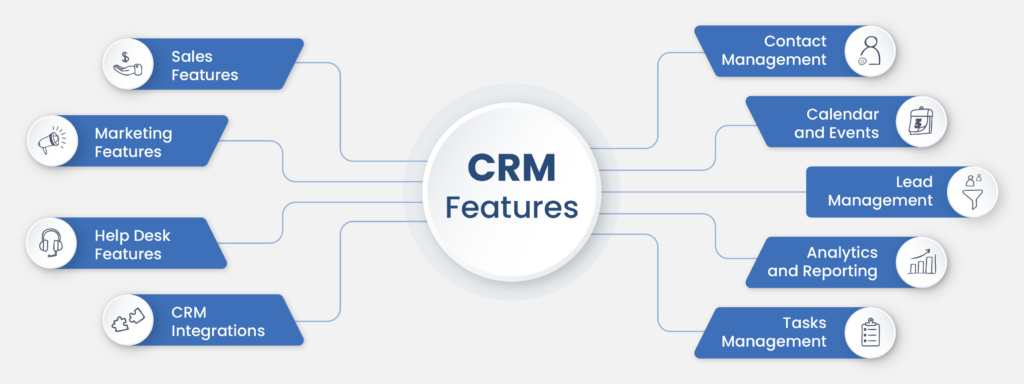
- Contact and account management with custom fields and relationship mapping
- Activity logging (calls, emails, meetings, notes) with automatic capture where possible
- Pipeline and deal management with stage-based progression
- Email and communication integration (Gmail, Outlook, phone systems)
- Workflow automation and triggered action sequences
- Reporting and analytics dashboards with custom KPI tracking
- Mobile access with iOS and Android apps
- API and integration marketplace for third-party connectivity
- Role-based access control and data security features
Platform Comparison: Top CRM Solutions
| Platform | Best For | Starting Price | Key Strength |
|---|---|---|---|
| HubSpot CRM | SMB to mid-market | Free (paid from $45/mo) | All-in-one marketing + CRM |
| Salesforce | Enterprise | From $25/user/mo | Most extensible platform |
| Zoho CRM | SMB with budget focus | From $14/user/mo | Best value feature set |
| Pipedrive | Sales-focused teams | From $14.90/user/mo | Pipeline management |
| Monday CRM | Visual teams | From $10/user/mo | Intuitive UI |
| Custom CRM | Unique requirements | Project-based | 100% fit to your needs |
Integration Architecture
The value of any CRM multiplies when integrated with your wider business stack. Modern CRM platforms use REST APIs, native connectors, and middleware platforms (Zapier, Make, n8n) to connect with email tools, accounting software, communication platforms, e-commerce systems, and marketing automation tools. When evaluating a CRM, assess both the breadth of native integrations and the quality of the API for custom development.
Implementation Roadmap
- Requirements gathering: Document your sales process, data needs, and integration requirements
- Data audit: Inventory existing customer data for migration
- Platform selection or custom development scoping
- Data migration and field mapping
- Integration setup and testing
- User training and documentation
- Go-live with parallel operation period
- KPI monitoring and iterative optimisation
Custom CRM Development vs SaaS
When standard CRM platforms don’t fit your workflow, custom development with a partner like VBWebSol delivers a purpose-built solution. Custom CRM advantages include: exact workflow alignment, native integration with existing systems, no per-user pricing, proprietary business logic, and long-term cost efficiency for growing teams. VBWebSol has delivered custom CRM solutions for businesses across India, the USA, and the UK, typically in 8-14 weeks.
Security and Compliance
CRM systems hold your most sensitive business data. Security requirements include TLS 1.3 encryption in transit, AES-256 at rest, RBAC, MFA, SOC 2 compliance, GDPR/PDPA compliance depending on geography, and comprehensive audit logging. Always review a vendor’s security documentation and data processing agreement before committing.
Frequently Asked Questions
What is basic crm functions?
Basic Crm Functions is a software approach to managing customer data, interactions, and business relationships. It centralises contact information, activity history, and sales pipeline data to help teams deliver better customer experiences and close more deals.
How much does CRM software cost?
CRM software ranges from free (HubSpot Free, Zoho Free) to $300+/user/month for enterprise platforms. Custom-built CRM solutions typically have a $15,000-$60,000 development cost with lower ongoing expenses.
How long does CRM implementation take?
SaaS CRM implementations take 2-8 weeks depending on data migration complexity and integration requirements. Custom CRM builds typically take 8-16 weeks from requirements sign-off to production launch.
What is the ROI of implementing CRM?
Typical CRM ROI metrics include 25-40% increase in sales productivity, 20-35% improvement in lead conversion rates, and 15-25% better customer retention. Most businesses see full ROI within 6-12 months.
Can CRM software be customised?
SaaS CRM platforms offer varying degrees of customisation. Custom-built CRM systems offer complete flexibility over data models, workflows, integrations, and user interface design.
Ready to Build Your Custom CRM Development Solution?
VBWebSol has helped 500+ businesses across India and the USA build powerful, scalable software solutions. Our expert team delivers on time, within budget, and tailored to your exact needs.