
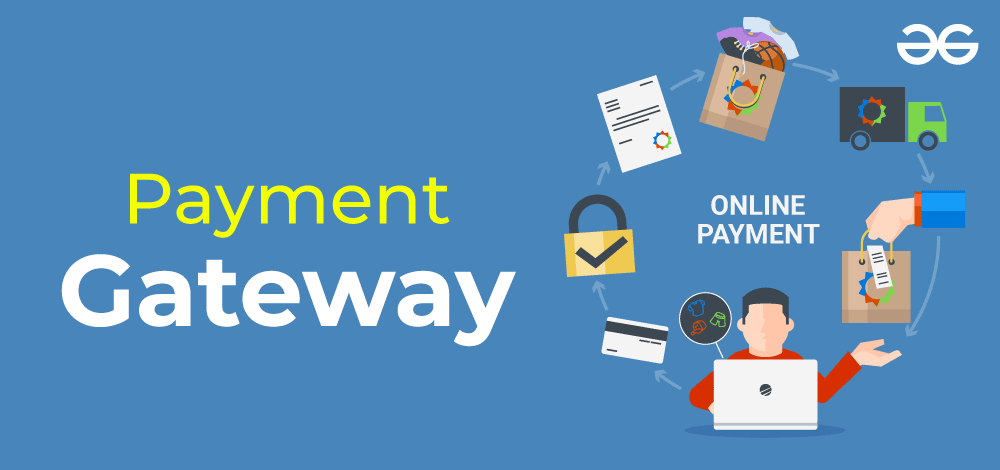
A payment gateway securely transmits payment information between a customer, your website, and the payment processor. Understanding the different types of payment gateways helps businesses choose the right solution for their needs.
4 Main Types of Payment Gateways
1. Hosted Payment Gateways
Customer is redirected to the payment provider’s hosted checkout page then back to your site. Examples: PayPal Standard, Stripe Checkout. Simplest to implement; PCI compliance fully handled by provider. Customer leaves your site—may reduce conversion.
2. Self-Hosted Payment Gateways
Checkout form lives on your website, payment data submitted from your server. Full control over checkout experience. High PCI DSS compliance burden on your servers. Best for organizations needing full checkout control with strong development teams.
3. API-Based Payment Gateways (Non-Hosted)
Checkout form on your site using JavaScript to tokenize payment data—card number never touches your server. Examples: Stripe Elements, Braintree. Full UX control with reduced PCI scope. Best for modern e-commerce and SaaS platforms.
4. Local/Regional Payment Gateways
Specific to local payment methods or regions. Examples: Razorpay (India), PayFast (South Africa), Alipay (China). Support local payment methods customers trust. Essential for businesses selling in specific markets.
FAQ
What are the types of payment gateways?
The four main types are: hosted (customer redirected to provider), self-hosted (payment form on your server), API-based/non-hosted (payment tokenized via JavaScript while customer stays on your site), and local/regional gateways (supporting specific local payment methods).
What is the best payment gateway for small business?
Stripe and Square lead for small businesses in the US. Razorpay leads for India. Stripe’s Checkout provides the simplest setup; Stripe Elements provides more control for growing businesses.
Conclusion
Understanding the types of payment gateways helps you choose the right architecture. API-based solutions like Stripe are the modern standard; local gateways are essential for market-specific payment method support.